
 See Our Latest Article on HelloNation
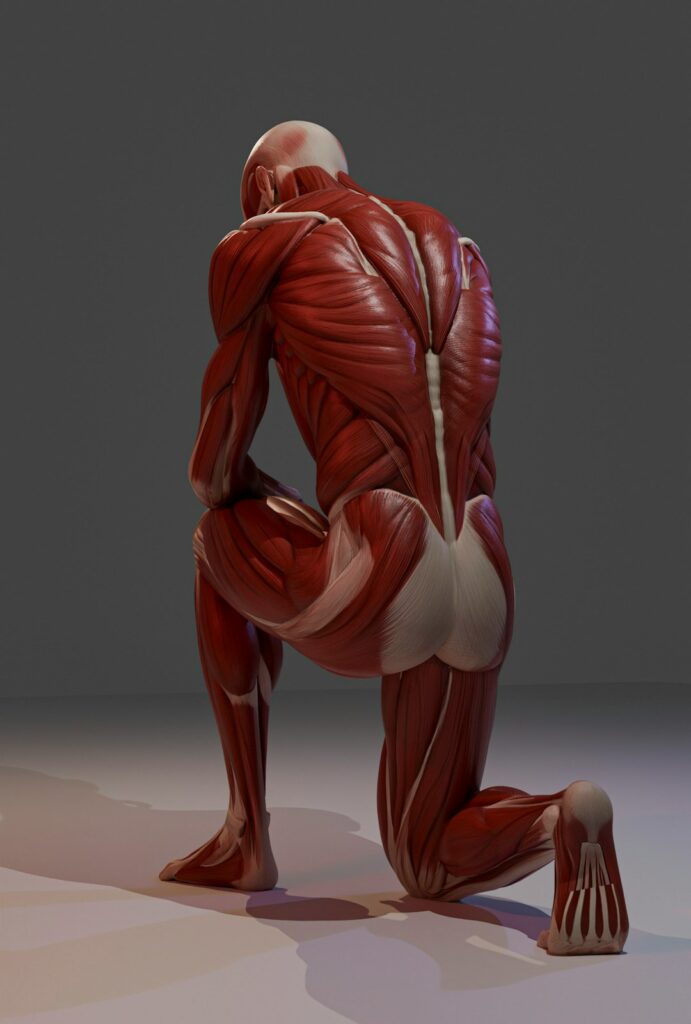
Referred pain can feel as though it is coming from one part of the body even though the source is somewhere else. A stiff joint in the neck may contribute to shoulder or arm discomfort, while irritation in the lower back may be felt in the buttock or upper leg. Understanding this pattern can help residents of Lewisboro, NY describe symptoms more accurately and recognize when chiropractic care may be appropriate—and when medical evaluation is needed first.
What is referred pain?
Referred pain is discomfort felt away from the tissue or structure causing it. The painful area is real, but it may not be the original source of the problem.
The nervous system carries signals from many tissues into overlapping areas of the spinal cord and brain. Because of this overlap, the brain may interpret signals from a deeper joint, muscle, or spinal structure as coming from a nearby or more distant area.
Common examples include:
- Neck-related discomfort felt across the upper shoulder or between the shoulder blades
- Shoulder-joint problems felt in the upper arm
- Low-back pain felt in the buttock or outer hip
- Hip-related symptoms felt near the groin, thigh, or knee
- Irritated muscles in the upper back contributing to headache or facial discomfort
Referred pain is different from pain caused by direct injury to a nerve. It may feel dull, aching, deep, or poorly defined rather than sharp and electric.
How is referred pain different from radiating nerve pain?
Referred pain and nerve-related pain can overlap, but they are not the same condition. Referred pain usually comes from muscles, joints, discs, ligaments, or other deep tissues. It often remains in a broad area and may change with posture, movement, pressure, or muscle use.
Radiating nerve pain, sometimes called radicular pain, follows the path of an irritated nerve. It may travel farther down an arm or leg and can include burning, tingling, pins-and-needles sensations, numbness, or weakness.
A person with a lower-back problem, for example, might feel:
- A deep ache in the back and buttock, which may suggest referred musculoskeletal pain
- Burning pain extending below the knee, possibly involving a nerve
- Numbness, foot weakness, or changes in reflexes, which require more careful neurological assessment
Symptoms alone cannot always distinguish these patterns. A proper evaluation considers the location of pain, how it began, movements that change it, strength, sensation, reflexes, and other health factors.
Why might pain appear somewhere else?
Several mechanisms may contribute to referred pain. One is the convergence of sensory signals from different tissues into shared pathways. Another involves protective muscle tightening around an irritated joint or spinal segment. The resulting muscle tension can create additional pain in a neighboring or distant region.
Everyday activities can contribute to these patterns. Long periods of sitting, repeated lifting, uneven carrying, prolonged computer use, and sudden changes in activity may overload tissues without causing a clearly remembered injury.
Seasonal routines can also play a role in this community. Winter shoveling, carrying supplies over slippery surfaces, moving firewood, gardening in the spring, and weekend outdoor work can place unusual demands on the back, shoulders, hips, and knees. Pain may then be noticed in a different area from the tissue that was strained.
How can chiropractic care help evaluate referred pain?
Chiropractic care begins with assessment rather than assuming that the painful location identifies the cause. A clinician may ask about symptom timing, recent activity, sleep position, work demands, previous injuries, and changes in balance or strength.
The physical examination may include:
- Observation of posture and movement
- Testing spinal and joint mobility
- Evaluation of muscle tenderness and protective tightness
- Strength, sensation, and reflex checks
- Movement tests designed to reproduce or reduce symptoms
- Screening for signs that suggest a non-musculoskeletal cause
Treatment, when appropriate, may involve spinal or extremity mobilization, manipulation, soft-tissue techniques, stretching, strengthening, and guidance on gradually returning to normal activity. The purpose is generally to reduce mechanical irritation, improve movement, and help the person manage contributing factors.
Care should be individualized. A technique that is reasonable for uncomplicated mechanical neck or back pain may not be appropriate for someone with a fracture, significant nerve compression, infection, inflammatory disease, or another serious condition.
Does chiropractic treatment work for every type of referred pain?
No. Chiropractic care may be relevant for some musculoskeletal causes of referred pain, but it is not a universal treatment for all pain that travels.
For example, symptoms caused by a strained muscle, restricted joint movement, or mechanical back pain may respond to movement-based care. Other conditions may require medical testing, medication management, physical therapy, urgent treatment, or a combination of approaches.
Pain referred from an internal organ can resemble musculoskeletal pain. Discomfort in the chest, upper back, abdomen, jaw, or shoulder should not automatically be attributed to the spine or muscles. The same applies to unexplained pain that is persistent, worsening, or accompanied by general illness.
A reasonable evaluation should identify the most likely source and establish whether conservative care is safe.

What information should a resident bring to an evaluation?
A symptom record can make the assessment more useful. Note:
- Where the pain began and where it is felt now
- Whether the sensation is aching, sharp, burning, numb, or tingling
- Which movements or positions increase or reduce it
- Whether coughing, sneezing, or straining changes the symptoms
- Any weakness, clumsiness, balance changes, fever, or unexplained weight loss
- Recent falls, lifting, driving, home projects, exercise, or seasonal outdoor work
- Whether symptoms interfere with sleep, walking, work, or ordinary household tasks
This information can help distinguish a localized strain from a problem involving a joint, nerve, or another body system.
When should referred pain be evaluated urgently?
Certain symptoms should not be managed as routine musculoskeletal discomfort. Prompt medical assessment is appropriate for new pain accompanied by:
- Chest pressure, shortness of breath, sweating, nausea, or faintness
- Sudden severe headache or new neurological symptoms
- Loss of bladder or bowel control
- Numbness in the groin or inner thighs
- Rapidly worsening weakness in an arm or leg
- Fever, chills, or feeling acutely unwell
- Significant pain after a serious fall or collision
- Unexplained weight loss or a history of cancer
- Severe night pain that does not change with position
These signs do not identify a specific diagnosis, but they can indicate that the problem needs medical evaluation before manipulation or other routine care is considered.
What can people do while monitoring uncomplicated symptoms?
For mild, recent musculoskeletal pain without warning signs, comfortable movement is usually more helpful than prolonged bed rest. Short walks, frequent position changes, and avoiding sudden heavy lifting may reduce aggravation. Heat may ease muscle tightness, while cold can be useful shortly after some strains; individual response varies.
Pain that repeatedly returns, spreads, limits normal activity, or does not gradually improve deserves a structured evaluation. The central question is not simply where the pain is felt, but which tissues may be contributing and whether the pattern is safe to manage conservatively.
