
 See Our Latest Article on HelloNation
Minor aches and pains are easy to dismiss, especially when daily responsibilities, commuting, household work, exercise, and seasonal chores compete for attention. Yet recurring discomfort can be an early sign that the body is not tolerating a movement pattern, workload, injury, or health condition as well as it once did.
For residents of Lewisboro, NY, paying attention to small symptoms does not mean assuming something serious is wrong. It means noticing changes early, making sensible adjustments, and knowing when discomfort requires medical evaluation.
Why should minor aches and pains not be ignored?
A mild ache may reflect temporary muscle soreness, but it can also signal repeated strain, joint irritation, reduced mobility, or compensation for an older injury. Continuing the same activity without addressing the cause may allow a manageable problem to become more persistent.
Pain is a protective signal. It can appear when muscles, tendons, ligaments, joints, nerves, or other tissues are being stressed. The intensity does not always reveal the seriousness of the underlying issue. A relatively mild symptom that returns every week may deserve more attention than a single episode of soreness after unusual activity.
Discomfort also affects movement. Someone with a sore knee may shift weight to the other leg. Someone with neck pain may turn the whole torso rather than the head. These changes can place additional stress on the hips, back, shoulders, or opposite side of the body.
What are common reasons for recurring aches?
Many minor symptoms are related to ordinary activities rather than a single dramatic injury. Common contributors include:
- Repetitive lifting, reaching, typing, or driving
- Long periods of sitting or standing in one position
- Sudden increases in exercise, yard work, or home projects
- Poor sleep position or an unsupportive sleeping setup
- Limited strength, flexibility, or balance
- Previous injuries that never fully regained normal function
- Stress-related muscle tension
- Arthritis or other joint conditions
Seasonal routines can also influence symptoms. In a community with changing weather and many homes requiring outdoor maintenance, discomfort may appear after raking, clearing branches, shoveling, gardening, carrying equipment, or spending more time on ladders and uneven ground. A problem that begins during one weekend of heavy work may become noticeable during ordinary walking or sitting several days later.
How can someone tell the difference between normal soreness and a warning sign?
Normal post-activity soreness generally improves gradually with rest, gentle movement, adequate sleep, and a return to activity at a manageable level. It usually affects the muscles used during unfamiliar or strenuous activity and does not significantly interfere with walking, balance, strength, or daily tasks.
A symptom deserves closer attention if it:
- Repeatedly returns after the same activity
- Persists longer than expected or continues to worsen
- Causes limping, guarding, or a noticeable change in movement
- Limits work, sleep, exercise, or household activities
- Travels into an arm or leg
- Includes numbness, tingling, burning, or weakness
- Produces swelling, redness, warmth, or reduced joint motion
Pain after exercise is not automatically a reason to stop all movement. In many cases, reducing intensity, shortening the activity, changing the type of exercise, and allowing recovery time are more appropriate than complete inactivity. However, sharp, constant, escalating, or function-limiting pain should not be treated as routine soreness.
When does a minor ache require prompt medical attention?
Some symptoms should not be managed only with home care. Seek prompt medical evaluation for pain accompanied by new weakness, significant numbness, loss of balance, fever, unexplained weight loss, or pain following a serious fall or impact.
Back pain requires urgent attention if it occurs with loss of bladder or bowel control, numbness around the groin or inner thighs, severe leg weakness, or difficulty walking. Chest pressure, shortness of breath, fainting, sudden severe headache, or pain that spreads to the jaw or arm may represent an emergency rather than a musculoskeletal problem.
People with a history of cancer, significant osteoporosis, immune suppression, major trauma, or long-term steroid use may need a lower threshold for evaluation. New or unusual pain in these circumstances should not be assumed to be a simple strain.

What can residents do when an ache first appears?
The first step is to reduce the activity that clearly aggravates the symptom without becoming completely inactive. Gentle walking or comfortable range-of-motion movements may help prevent stiffness, provided they do not increase pain.
Useful observations include:
- What activity happened before the symptom began?
- Is the pain dull, sharp, burning, throbbing, or electric?
- Does it stay in one area or travel?
- What movements make it better or worse?
- Is there swelling, bruising, weakness, or numbness?
- Is sleep or normal function affected?
A short symptom record can help identify patterns. For example, shoulder discomfort that appears after reaching overhead may suggest a different issue from pain that occurs at rest or wakes someone during the night.
Heat may feel soothing for muscle tightness, while cold can be useful after some acute strains or swelling. Neither should be applied directly to the skin for prolonged periods. Over-the-counter pain medicines are not appropriate for everyone, particularly people with kidney disease, ulcers, blood-thinning medication, medication allergies, or certain heart conditions. A pharmacist or medical clinician can help clarify safe use.
What role can chiropractic assessment play?
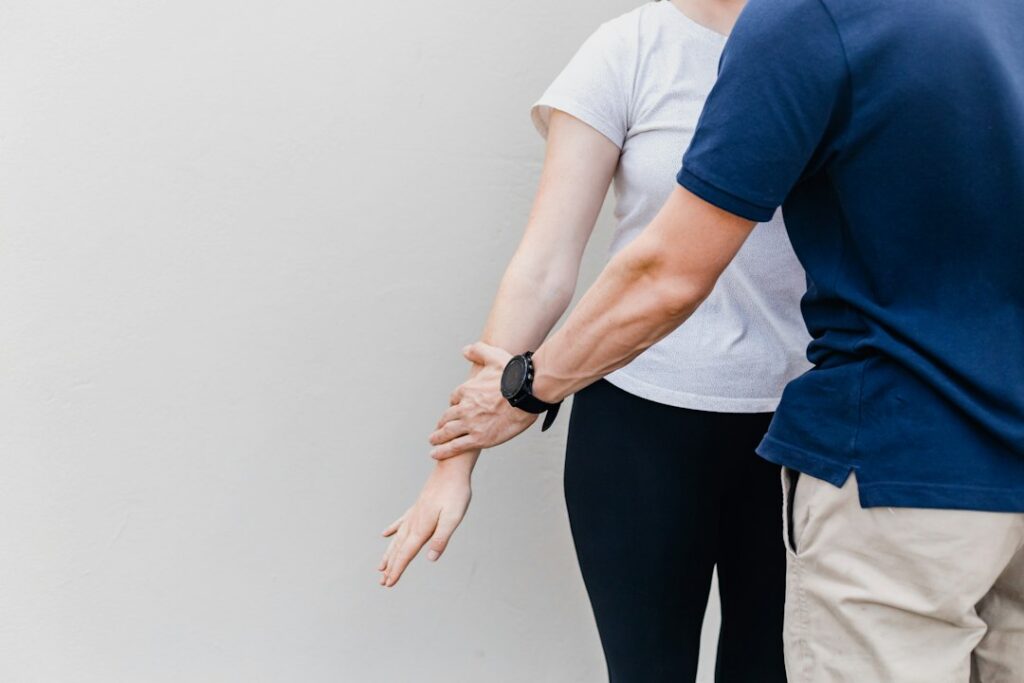
A chiropractor may evaluate musculoskeletal complaints by reviewing symptoms, movement, strength, posture, and functional limitations. Chiropractic care is generally directed at mechanical problems involving the spine, joints, and surrounding soft tissues. It should begin with an appropriate history and examination rather than assuming every ache has the same cause.
A responsible evaluation also includes recognizing when chiropractic treatment is not suitable as the first step. Symptoms suggesting infection, fracture, serious nerve involvement, internal illness, or another non-musculoskeletal condition may require medical assessment or diagnostic testing.
People considering spinal manipulation should disclose osteoporosis, recent trauma, blood-clotting conditions, neurological symptoms, cancer history, and all relevant medications. Treatment decisions should be based on the individual’s symptoms and risks, not on a general promise that one technique will work for every person.
How can minor pain be prevented from becoming a larger problem?
Prevention usually depends on gradual progression rather than avoiding activity. Increase exercise, lifting, home maintenance, and recreational tasks in manageable steps. Warm up before strenuous work, alternate repetitive tasks, and take brief movement breaks during long periods of sitting.
For outdoor chores, divide heavy loads into smaller amounts, keep objects close to the body, avoid twisting while lifting, and use stable footing. During colder or wetter conditions, slippery surfaces and stiff muscles can increase the chance of falls and awkward movements, so pacing and appropriate footwear matter.
Regular low-impact activity such as walking, cycling, swimming, gentle strength work, or mobility exercises can support joint function and general conditioning. The goal is not to push through worsening pain. The goal is to maintain a level of movement that the body can recover from and gradually build capacity over time.
Minor discomfort is not always dangerous, but it is rarely meaningless when it persists, changes movement, or interferes with normal life. Noticing the pattern early gives residents a better opportunity to adjust activity, protect function, and seek the right kind of evaluation before a small problem becomes harder to manage.
