
 See Our Latest Article on HelloNation

Are Chiropractic Adjustments Safe for Most People?
Chiropractic care is widely considered safe for the vast majority of people, especially when performed by licensed professionals trained in up-to-date techniques. For residents in Lewisboro, questions about safety are common—particularly for those who have never visited a chiropractor or who may have heard conflicting information. Most adverse effects from chiropractic adjustments are mild and temporary, such as soreness or stiffness that resolves on its own.
Specific groups—including individuals with severe osteoporosis, certain spinal cancers, or a history of stroke—should take extra precautions. Area households with these conditions are usually advised to discuss any potential treatment with both their primary care physician and a chiropractor familiar with the latest clinical guidelines.
What Types of Risks Are Associated with Chiropractic Care?
Most chiropractic risks are minor, but like any health care procedure, there are some rare but important concerns. The most frequently reported side effects after spinal adjustments (especially in the neck or lower back) include:
- Temporary discomfort in the area treated
- Mild headache
- Fatigue
Serious complications—such as stroke or nerve damage—are extremely rare but tend to draw more public attention. Current research suggests that for most local residents without pre-existing risk factors, the likelihood of these complications is extremely low. Awareness and communication help reduce risk even further; local providers are expected to gather detailed histories and inform residents about any factors that might place them at increased risk.
How Are Chiropractors Regulated and Trained in Lewisboro?
Chiropractors licensed to practice in Lewisboro must meet rigorous educational and regulatory standards set by New York State. This includes:
- Graduation from an accredited chiropractic college
- Passing national board examinations
- Ongoing continuing education to stay updated on safety and best practices
Regulation helps ensure that residents are treated according to modern clinical guidelines. Those seeking care can verify a chiropractor’s license status through official state resources, helping area families feel more confident in their care choices.
Can Children and Older Adults Use Chiropractic Services Safely?
With proper screening and technique modifications, both children and older adults can safely receive chiropractic care. Local families often ask about pediatric or geriatric safety, especially for conditions such as sports injuries in kids or joint pain in seniors.
Pediatric chiropractic care typically uses very gentle methods, adjusted for developing bones and joints. For older adults, chiropractors adapt their approach to account for age-related factors such as osteoporosis or arthritis. In every case, treatment plans are—and should be—personalized based on a thorough assessment of the individual’s overall health, activity level, and goals.
What Should Residents Ask Before Starting Chiropractic Care?
Direct, open communication with any prospective chiropractor is vital. Key questions local residents often consider include:
- What experience do you have with my specific health concern?
- Are you aware of any conditions I have that might increase my risks?
- What outcomes should I realistically expect, and what are potential side effects?
- How will my progress be tracked?
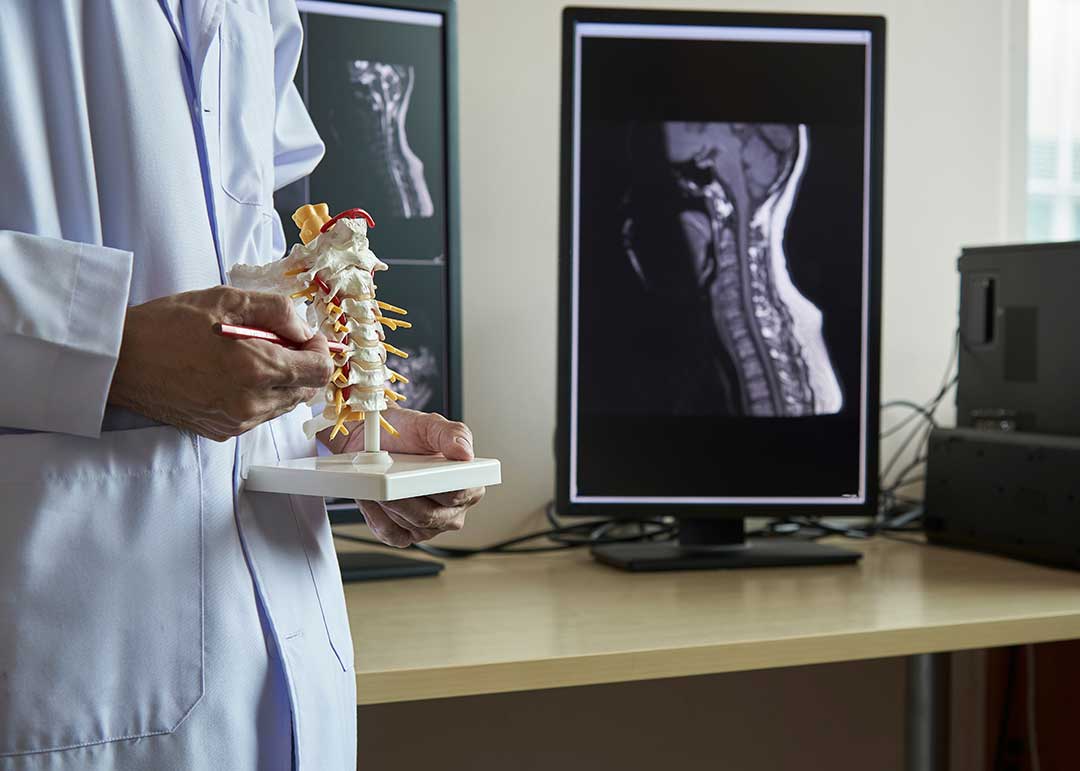
Asking these kinds of questions helps both patients and providers set clear, appropriate expectations and encourages a collaborative approach to care.
What Are Common Misconceptions About Chiropractic Safety?
Several beliefs about chiropractic risks do not match current evidence:
- “Adjustments always cause damage”: Typical techniques, when performed by a licensed professional, focus on safe movement within a joint’s normal range.
- “Chiropractic is unsafe after an injury”: In reality, chiropractors routinely assess whether an injury requires a referral or further imaging before proceeding.
- “You have to keep going forever”: Care frequency is based on personal health goals and progress, not automatic long-term schedules.
Whether dealing with back pain from snow shoveling in winter, joint stiffness from gardening in spring, or discomfort from long commutes, local residents find that many concerns about safety are rooted in myths or outdated information.
How Does the Lewisboro Community Support Chiropractic Safety?
Community awareness and open dialogue contribute to safety just as much as clinical skills. In Lewisboro, residents tend to value proactive communication—sharing experiences, asking about positive and negative outcomes, and seeking trusted information from multiple sources. Cultural norms around preventive care and self-advocacy help ensure that individuals feel comfortable voicing their concerns early, which directly supports safe, patient-centered care.
For those considering chiropractic care, the focus remains on making informed, confident decisions guided by credible information and thoughtful questions.
