
 See Our Latest Article on HelloNation
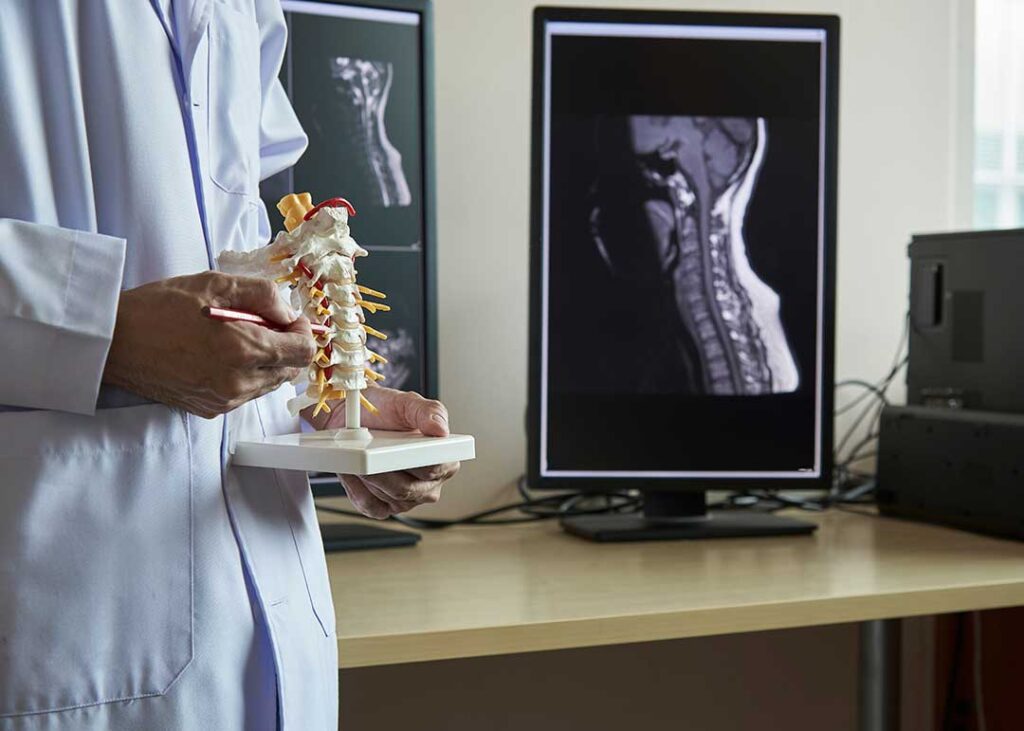
What Does a Clicking Neck Mean?
A clicking or popping sound when you move your neck is a common experience for many. For most in Lewisboro, neck clicking is painless and harmless, but it can cause concern, especially if new or persistent. The sound often comes from normal joint movement, though there are cases where it signals something more.
Why Do Joints Make Sounds?
Joints can create a range of noises, including pops, cracks, or clicks. These sounds, known medically as crepitus, usually occur as the surfaces of the joints move over each other. In the neck (cervical spine), these movements are amplified due to the complexity and high degree of motion between neck vertebrae. Causes include:
- Ligaments or tendons snapping over bone as you turn your head
- Small bubbles of gas (mainly nitrogen and carbon dioxide) forming and popping within joint fluid—a normal process, similar to cracking knuckles
- Slight roughening of cartilage surfaces, sometimes associated with age or minor wear
When Is Neck Clicking Normal?
In most county households, hearing a click when you turn your head to check your rearview mirror or tilt your head while gardening is a normal, everyday occurrence. Most people will experience this at least occasionally without any pain or stiffness. Normal clicking is:
- Not accompanied by swelling, redness, or warmth
- Usually intermittent, not constant
- Not linked with a traumatic injury
For residents engaged in routine outdoor activities, especially in a region with frequent gardening or yard chores, it is common for neck tissues to make noise as they adapt to different movements or postures.
Can Weather or Climate Play a Role?
Some people notice more joint clicking during shifts in humidity or temperature common in the area. While evidence is mostly anecdotal, changes in atmospheric pressure may subtly alter how joint tissues move. Cooler, damp weather can make muscles feel stiffer, which sometimes accentuates crepitus. Staying gently active and warm may help keep the joints moving smoothly.
What Conditions Can Cause Clicking With Discomfort?
If clicking is paired with pain, stiffness, or reduced mobility, it is sometimes a sign of an underlying condition. Some causes may include:
- Arthritis: Both osteoarthritis and rheumatoid arthritis can lead to rougher cartilage, occasionally causing both pain and audible clicking.
- Degenerative disc changes: Age or wear can alter the cushions between the vertebrae, resulting in extra noise and, at times, discomfort.
- Muscle tension or strain: Long periods spent at a desk, working from home, or using handheld devices may create muscle imbalances that shift joint positions, increasing sounds.
Lewisboro locals who spend extended time shoveling snow in winter or carrying gardening equipment in warmer months may experience muscle-related neck noises after unfamiliar activities.
Is Neck Clicking Ever a Cause for Concern?
While most cases are harmless, clicking that is new and associated with injury, pain, or neurological symptoms (such as tingling, numbness, or weakness in the arms or hands) should be treated with caution. Such symptoms could signal:
- A herniated disc pressing on nerves
- Ligament injury or joint instability
- Rarely, infection or inflammatory diseases
Residents should use caution if neck sounds follow a car accident or fall.
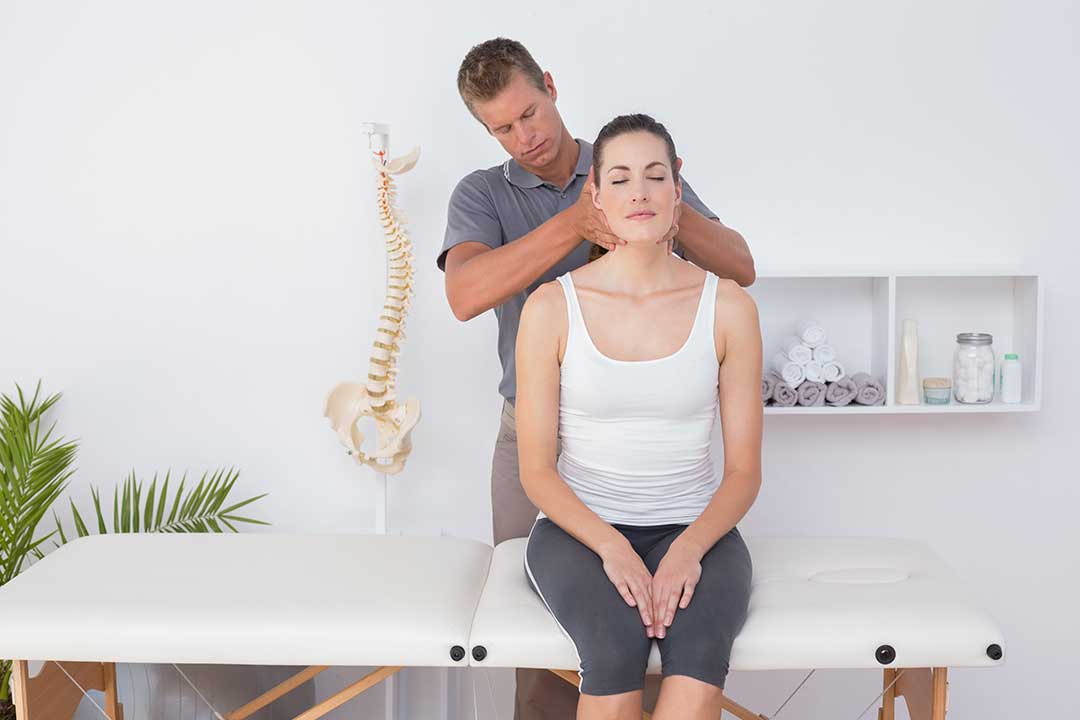
Are There Things That Make Clicking More Noticeable?
Certain daily habits and household routines can make clicking more likely or obvious:
- Prolonged computer, tablet, or phone use with poor posture
- Repetitive head movements, such as frequent shoulder checking while driving the curvy, rural roads found in the area
- Reading or crafting with the head bent down for long stretches
- Sleeping with pillows that do not properly support the neck
Gentle neck stretches, changing positions frequently, and supporting the natural curve of the neck can minimize unnecessary noises.
Common Myths About Clicking Joints
Many believe that joint clicking inevitably leads to arthritis or permanent damage. Research shows that, in the absence of pain, there is no evidence that ordinary joint clicking causes harm or predicts future problems. Another misconception is that once joints begin to click, it will only worsen—however, this varies from person to person and often improves with movement or postural changes.
Practical Steps to Reduce Clicking and Stay Comfortable
Most Lewisboro residents can reduce bothersome clicking through simple, everyday strategies:
- Stay active with gentle movements, especially after extended sitting
- Use ergonomic setups for work and hobbies
- Stretch neck muscles regularly, especially before and after physical yard tasks
- Ensure pillows provide support without cranking the neck in one direction
Listening to your body and making minor changes in routine can be as effective as formal exercises for many.
When Should Residents Seek Further Guidance?
Severe pain, sudden onset after trauma, loss of neck motion, or neurological signs warrant a discussion with a medical professional. These signs go beyond typical clicking and may suggest something more that deserves prompt attention.
Roughly summarized: Isolated, painless clicking is almost always benign and manageable at home. Lewisboro households, particularly those balancing work-from-home routines with the physically active regional lifestyle, can often manage neck noises with comfort and confidence.
