
 See Our Latest Article on HelloNation
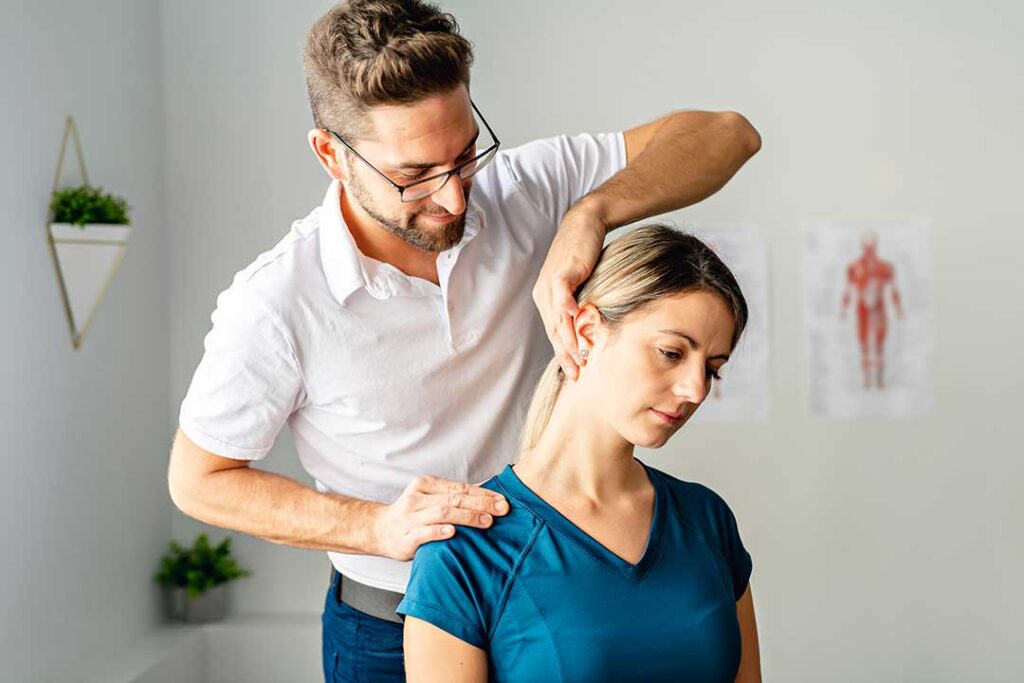
Morning stiffness is common, especially after several hours in one position. A short sequence of gentle movements can help loosen the hips, back, shoulders, and legs before the day begins. For residents of Lewisboro, NY, this may be particularly useful after sleeping in a cool room, spending time outdoors in colder weather, or moving from bed directly into driving, desk work, or household tasks.
Stretching should create mild tension, not sharp, burning, electrical, or worsening pain. Move slowly, breathe normally, and avoid bouncing. General stretching guidance recommends warming the body with light movement and holding comfortable stretches for about 30 seconds when appropriate. ([mayoclinic.org](https://www.mayoclinic.org/healthy-lifestyle/fitness/in-depth/stretching/art-20047931?utm_source=openai))
Why does the body feel stiff in the morning?
Morning stiffness often reflects inactivity rather than a new injury. During sleep, the spine, hips, knees, and shoulders remain in relatively fixed positions for hours. Muscles and connective tissues may feel less responsive when movement begins, particularly after a long day of sitting, lifting, yard work, or recreational activity.
Stiffness can also be affected by:
- Sleeping position or an unsupportive pillow
- A mattress that does not suit the person’s needs
- Cold temperatures that make muscles feel less comfortable
- Extended time in a car or at a computer
- Previous injuries, arthritis, or recurring back pain
- Sudden increases in walking, gardening, exercise, or home-maintenance activities
The goal of a morning routine is not to force the body into deep flexibility. It is to restore comfortable movement gradually.
What should happen before stretching?
Begin with two or three minutes of easy movement rather than immediately pulling on stiff muscles. Sit on the edge of the bed, place both feet on the floor, and take several relaxed breaths. Then try ankle pumps, gentle shoulder rolls, or a slow walk around the room.
If the morning is cold, wearing comfortable layers or moving in a warmer part of the home may make the routine easier. Static stretching is generally more comfortable after the body has warmed up. A brief dynamic warm-up is also preferable before strenuous activity such as shoveling, running, lifting, or sports. ([mayoclinic.org](https://www.mayoclinic.org/healthy-lifestyle/fitness/in-depth/stretching/art-20047931?utm_source=openai))
Which stretches can help loosen the back and hips?
A simple sequence can take five to ten minutes. Use a bed, wall, or sturdy chair for balance when needed.
1. Supine knee-to-chest stretch
Lie on the back with both knees bent and the feet supported. Slowly bring one knee toward the chest, holding behind the thigh rather than pulling on the knee joint. Hold for 10 to 20 seconds, return the foot to the floor, and repeat on the other side.
If comfortable, bring both knees toward the chest for a brief hold. Do not force the lower back flat against the floor or continue if the position increases leg symptoms. Knee-to-chest movements are commonly included in back-exercise programs, but people with ongoing pain or a recent injury may need an individualized approach. ([mayoclinic.org](https://www.mayoclinic.org/healthy-lifestyle/adult-health/in-depth/back-pain/art-20546859?utm_source=openai))
2. Pelvic tilts
Remain on the back with knees bent. Gently tighten the abdominal muscles and make a small movement that allows the lower back to approach the floor. Release and return to a neutral position.
Repeat five to ten times without holding the breath. The movement should be subtle. Pelvic tilts are intended to improve awareness and mobility, not to create a strong stretch.
3. Cat-cow movement
Move onto hands and knees, with hands beneath the shoulders and knees beneath the hips. Slowly round the back toward the ceiling, then gently return through a neutral position and allow the chest to open slightly.
Keep the movement comfortable and controlled. Avoid dropping the abdomen forcefully or lifting the chin excessively. People with wrist, shoulder, or knee problems can perform a smaller version or use a standing variation with hands on a counter.
4. Hip-flexor stretch
Stand facing a counter or wall. Step one foot back, keep the back heel lifted, and bend the front knee slightly. Tuck the pelvis gently until a mild stretch is felt at the front of the hip on the rear leg.
Hold for 15 to 30 seconds and switch sides. This can be useful after sleeping with the hips flexed or spending much of the day seated. Keep the spine upright instead of leaning backward.
5. Hamstring stretch
Place one heel on a low step or sturdy surface. Keep the supporting knee slightly bent and hinge forward from the hips while keeping the back relatively long.
A mild pulling sensation behind the thigh is expected. Avoid rounding deeply through the spine or reaching toward the toes. Flexibility differs from person to person, so the position should be adjusted rather than forced.
6. Calf stretch
Face a wall and place both hands on it. Step one foot back, keep that heel down, and bend the front knee until a comfortable stretch is felt in the rear calf.
Hold for 20 to 30 seconds on each side. This may be especially helpful before walking on uneven ground, climbing stairs, or beginning outdoor chores.
Should stretching hurt?
No. Mild tension is acceptable, but pain is a signal to reduce the intensity or stop. Bouncing, forcing a joint, holding the breath, or trying to match someone else’s flexibility can increase irritation. Safe stretching guidance emphasizes slow movement, normal breathing, and stopping when pain develops. ([mayoclinic.org](https://www.mayoclinic.org/healthy-lifestyle/fitness/in-depth/stretching/art-20047931?utm_source=openai))
A stretch should not produce new numbness, tingling, weakness, or pain that travels farther down an arm or leg. If symptoms repeatedly worsen during the routine, that particular movement is not appropriate at that time.
When is morning stiffness a reason to seek medical guidance?
Occasional stiffness that improves with gentle movement is often manageable. Medical evaluation is more appropriate when pain is severe, follows a fall or accident, continues to worsen, or does not improve with ordinary activity.
Prompt attention is warranted for back pain accompanied by:
- New weakness in a leg or foot
- Loss of bladder or bowel control
- Numbness around the groin or inner thighs
- Fever, unexplained weight loss, or unusual illness
- Significant nighttime pain
- Pain that travels down the leg and is accompanied by progressive neurological symptoms
People with osteoporosis, recent surgery, inflammatory joint disease, a known spinal condition, or a recent strain should not assume that a general stretching routine is suitable. A chiropractor, physician, or physical therapist can help determine whether the symptoms are related to muscle tightness, joint restriction, nerve irritation, or another condition.
How can the routine become a consistent habit?
Keep the sequence short enough to repeat. Many people find it easier to perform two movements beside the bed, two after washing, and the remaining stretches before leaving the house. On days involving snow removal, gardening, hiking, or heavier household work, use gentle walking and joint movements first rather than treating deep stretching as the entire warm-up.
The most useful routine is one that leaves the body moving more freely without causing lingering soreness. Begin with a few repetitions, monitor how the body responds later in the day, and adjust the range of motion accordingly.
