
 See Our Latest Article on HelloNation
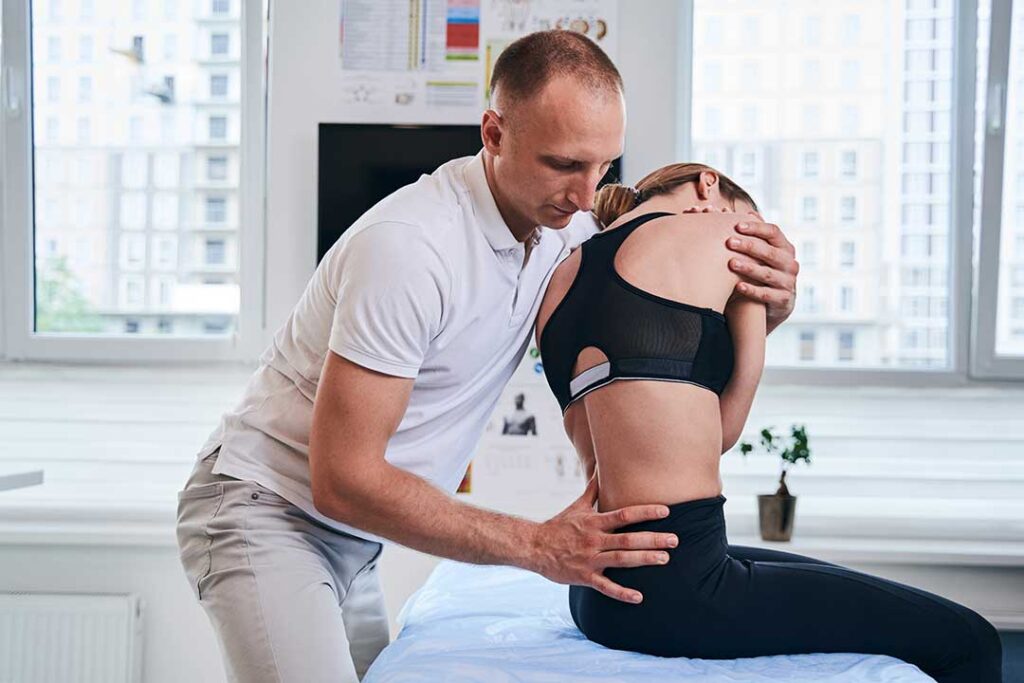
Recurring neck pain is often linked to repeated strain rather than a single problem. Long periods of screen use, awkward sleeping positions, driving, lifting, stress-related muscle tension, and seasonal outdoor work can all contribute. Prevention usually depends on identifying the pattern, improving daily movement habits, and rebuilding strength gradually.
Why does neck pain keep coming back?
Neck pain may return when the original trigger remains unchanged. A person may feel better after resting, stretching, or treatment, but symptoms can reappear if the same posture, repetitive task, or movement limitation continues.
Common contributors include:
- Holding the head forward while using a phone or laptop
- Working with the shoulders raised or arms unsupported
- Staying in one position for long periods
- Repeated overhead work, lifting, or carrying
- Sleeping with the neck rotated or bent
- Sudden increases in exercise, yardwork, or household projects
- Muscle weakness in the neck, upper back, or shoulders
- Stress that causes prolonged tightening of the jaw, shoulders, and neck
The National Institute for Occupational Safety and Health identifies repetitive activity, forceful work, and static awkward posture as recognized contributors to neck-related musculoskeletal disorders. ([cdc.gov](https://www.cdc.gov/niosh/ergonomics/ergo-programs/risk-factors.html?utm_source=openai))
How can posture reduce future flare-ups?
Good posture is not a rigid position that must be held all day. A more useful goal is to change positions often and avoid spending too much time at the end range of neck movement.
At a desk or kitchen table, try to:
- Keep the top of the screen near eye level
- Let the elbows rest close to the body
- Support the forearms when possible
- Keep both feet supported
- Relax the shoulders instead of pulling them upward
- Place frequently used items within easy reach
If reading or using a phone, bring the device closer to eye level rather than repeatedly bending the head downward. Short movement breaks are also valuable. CDC workplace guidance notes that brief breaks about once an hour can help reduce discomfort associated with computer work. ([cdc.gov](https://www.cdc.gov/niosh/office-environment/about/index.html?utm_source=openai))
For residents who work from home, rotate between sitting, standing, walking, and completing brief household tasks. The best setup is one that allows regular movement rather than forcing a single “perfect” posture.
What exercises help prevent recurring neck pain?
A gradual combination of mobility and strengthening is generally more useful than forceful stretching alone. Exercises should be comfortable and controlled; sharp, radiating, or progressively worsening symptoms are reasons to stop.
A basic routine may include:
- Chin nods: Lying on the back or sitting upright, gently draw the chin slightly backward without looking down. Hold briefly and relax.
- Neck rotation: Slowly turn the head toward one side and then the other, staying within a comfortable range.
- Shoulder blade movement: Gently draw the shoulder blades down and together, avoiding a shrug.
- Upper-back mobility: Sit or stand tall and move the arms through a comfortable range to counter prolonged rounded posture.
- Walking: Regular walking supports general conditioning and can reduce the tendency to remain still for long periods.
Start with a small number of repetitions and increase gradually. Strengthening the upper back and shoulder muscles may help reduce the workload placed on the neck. The broader principle is similar to other musculoskeletal conditions: add exercise progressively and avoid movements that clearly aggravate symptoms. ([niams.nih.gov](https://www.niams.nih.gov/health-topics/back-pain/diagnosis-treatment-and-steps-to-take?utm_source=openai))
Can sleep habits cause recurring neck pain?
Yes. Sleep does not need to be perfectly aligned, but the pillow should help keep the head from falling sharply forward, backward, or sideways.
Helpful adjustments include:
- Choose a pillow height that keeps the neck relatively level with the spine.
- Side sleepers may need enough support to fill the space between the shoulder and head.
- Back sleepers often do better with moderate support rather than a very high pillow.
- Stomach sleeping can keep the head rotated for hours and may aggravate symptoms.
- Replace a pillow that has lost its shape or leaves the head tilted.
Morning stiffness that improves after gentle movement may reflect overnight positioning. Pain that is severe, persistent, or associated with weakness or numbness should not be assumed to be a pillow problem.
How should driving, lifting, and seasonal chores be handled?

Driving can expose the neck to prolonged forward posture and limited movement. Adjust the seat so the head is balanced over the shoulders, keep the steering wheel close enough to avoid reaching, and take movement breaks during longer trips.
Outdoor chores can be particularly demanding during spring cleanup, summer projects, and winter snow or ice work. Reduce strain by:
- Dividing large tasks into shorter sessions
- Alternating sides when practical
- Keeping loads close to the body
- Avoiding repeated twisting while carrying
- Using the legs and hips during lifting
- Warming up with easy movement before strenuous work
- Stopping before fatigue causes posture to collapse
A common mistake is to wait until pain is severe before changing technique. Early stiffness, shoulder fatigue, or reduced neck rotation can be useful warning signs to reduce intensity and vary the task.
Does stress make neck pain worse?
Stress does not mean that pain is imaginary. It can increase muscle tension, reduce sleep quality, change breathing patterns, and make it harder to take movement breaks. These effects can amplify an existing mechanical problem.
Helpful strategies include slow breathing, regular walking, unclenching the jaw, lowering the shoulders, and taking brief pauses during demanding work. Relaxation alone may not resolve a structural or nerve-related condition, but it can reduce one factor that keeps the muscles tense.
When should recurring neck pain be evaluated?
Neck pain that repeatedly returns, lasts more than a couple of weeks, or gradually worsens deserves medical assessment. Evaluation is especially appropriate when symptoms interfere with sleep, work, driving, exercise, or normal movement.
Seek prompt medical care for neck pain accompanied by:
- New numbness, tingling, or weakness in an arm or leg
- Loss of balance, clumsiness, or difficulty walking
- Severe headache, dizziness, fainting, vision changes, or trouble speaking
- Difficulty swallowing or breathing
- Fever, unexplained weight loss, or unusual illness
- Pain after a significant fall, collision, or other injury
- Rapidly worsening symptoms
These warning signs can indicate a condition requiring more than routine posture or exercise changes. NHS musculoskeletal guidance also advises assessment when pain is not improving after self-care, suddenly worsens, or is accompanied by neurological symptoms. ([mpft.nhs.uk](https://www.mpft.nhs.uk/services/msk/self-help/neck/neck-pain-with-arm-pain?utm_source=openai))
A chiropractor, physical therapist, primary care clinician, or other qualified health professional may assess movement, strength, nerve function, and contributing habits. The appropriate approach depends on the cause; recurring neck pain should not automatically be treated with repeated manipulation, stretching, or rest without understanding the pattern.
What is the most practical prevention plan?
Start by tracking when symptoms appear for one week. Note sleep position, screen time, driving, lifting, exercise, stress, and activities such as yardwork or snow removal. Then change one or two factors at a time.
A sustainable plan usually includes frequent position changes, moderate strengthening, careful lifting, a supportive sleep setup, and early attention to warning symptoms. Prevention is less about keeping the neck perfectly still and more about giving it regular movement, adequate support, and a manageable workload.
