
 See Our Latest Article on HelloNation
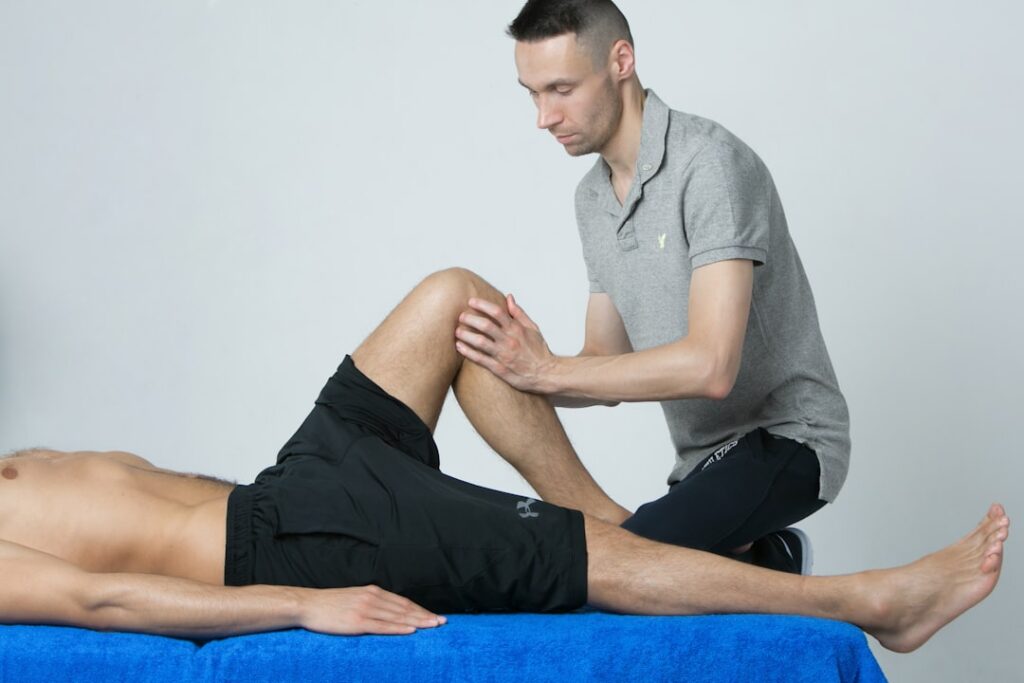
Living in Lewisboro, NY, many of us lead active lives. Whether you’re tending to your garden, hiking the trails at Leon Levy Preserve, or simply balancing the demands of a busy family schedule, muscle soreness and stiffness are all too common. But have you ever noticed specific sore “knots” in your muscles that just won’t go away? These are likely trigger points—a hidden but often overlooked cause of persistent muscle pain.
What Are Trigger Points?
Trigger points, commonly known as “muscle knots,” are sensitive spots found in tight bands of muscle fibers. They can feel like small, pea-sized nodules that are tender to the touch and often cause pain that radiates to other areas. This referred pain can sometimes make it difficult to locate the true source of discomfort.
Why Trigger Points Develop
There are several reasons why trigger points may form, especially among Lewisboro residents who enjoy or rely on physical activity and outdoor chores:
- Repetitive Movements: Raking leaves, mowing lawns, or gardening can involve the same muscle groups repeatedly.
- Poor Posture: Long commutes into New York City or extended hours working from home can contribute to muscle imbalances.
- Stress: High stress, whether physical or emotional, causes muscles to tense up more than they should.
- Lack of Activity: Contrary to popular belief, not moving enough can also contribute. Muscles love movement, and too much sitting can lead to tightness.
Symptoms of Trigger Points
Wondering if that lingering pain is due to a trigger point? Look for these common signs:
- A deep, aching pain or tenderness in a specific area
- A noticeable knot or tight band in the muscle
- Pain that “travels” to other regions
- Reduced range of motion or muscle weakness
- Twitching when the sore spot is pressed
Many residents in and around Lewisboro may mistake these symptoms for other conditions—like arthritis, nerve compression, or generalized muscle soreness—even though the culprit is a stubborn trigger point.
How Trigger Points Affect Daily Life in Lewisboro
In a community that values outdoor living, volunteerism, and wellness, trigger points can be particularly disruptive. Regular tasks like stacking firewood, hiking at Onatru Farm Park, or coaching youth sports can become painful or frustrating if muscle knots aren’t addressed. Moreover, untreated trigger points may lead to compensatory movements, resulting in additional pain or injuries over time.
Common Locations for Trigger Points
While trigger points can develop anywhere, they are especially common in:
- Upper back and shoulders (trapezius muscle)
- Neck (levator scapulae, sternocleidomastoid)
- Lower back
- Hips and glutes
- Thighs and calves
Noticing discomfort in these areas after a strenuous day at Ward Pound Ridge or a weekend of DIY home projects is a classic sign of trigger point involvement.
Diagnosing Trigger Points
While self-diagnosis is tempting, especially for minor aches, it’s beneficial to consult a healthcare provider experienced in musculoskeletal care:
- A chiropractor or physical therapist will gently palpate the area, looking for tender, tight bands.
- Trigger point pain often “jumps” or refers when pressed, distinguishing it from local tissue soreness.
- Your provider may ask about your lifestyle, hobbies, and daily habits—a conversation that’s familiar to many in our tight-knit Lewisboro communities.

Managing and Preventing Trigger Points
Fortunately, there are many ways to manage and even prevent trigger points from interfering with your active lifestyle:
- Stretch Regularly: Gentle stretching after activities keeps muscles flexible. Hamstring, neck, and shoulder stretches are especially important for gardeners and hikers.
- Stay Hydrated: Keeping hydrated helps maintain muscle elasticity—bring a water bottle along for local walks or family outings.
- Self-Massage: Using a foam roller, tennis ball, or massage stick on tight spots can promote blood flow and muscle release.
- Correct Ergonomics: Set up your work-from-home station or garden workstation to encourage healthy posture.
- Take Breaks: Pause often during repetitive tasks—stand, stretch, and switch activities when possible.
- Seek Professional Help: If pain is persistent, consider a visit to your local chiropractor or physical therapist for targeted treatment and personalized advice.
Treatment Options in Lewisboro
Many Lewisboro residents find relief for trigger points through a combination of self-care and professional therapy:
- Manual Therapy: Hands-on muscle release, including myofascial release or trigger point therapy.
- Dry Needling or Acupuncture: Certified practitioners may use fine needles to deactivate stubborn knots and promote healing.
- Chiropractic Adjustments: Restoring joint alignment can reduce muscle strain and lower the recurrence of trigger points.
- Exercise Guidance: Targeted strengthening and mobility routines, crafted for your daily activities, ensure lasting relief.
When to Seek Help
If self-massage, stretching, and rest don’t resolve your discomfort—or if muscle pain interferes with your daily activities like walking Lewisboro’s scenic roads or tending to community gardens—don’t wait. Persistent muscle pain warrants professional evaluation to rule out underlying conditions and ensure a speedy, safe recovery.
Embracing a Pain-Free Lewisboro Lifestyle
Trigger points don’t have to be a constant companion. By understanding their causes and adopting healthy habits tailored to local life in Lewisboro, residents can enjoy all the great outdoor and community activities our unique town has to offer. Remember: muscle pain is common, but chronic discomfort is not normal. Listen to your body, take care of your muscles, and seek support when you need it. A pain-free, active life is possible—knot included.
