
 See Our Latest Article on HelloNation
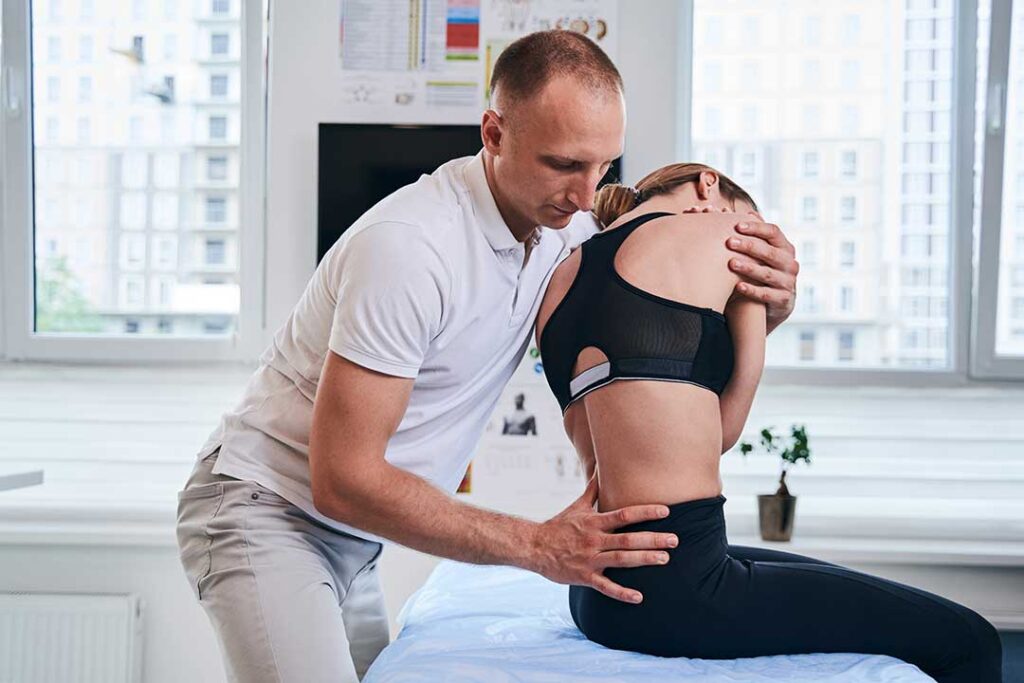
What Causes Sports-Related Back Injuries?
Back injuries during sports often result from sudden movements, overuse, or inadequate preparation. For Lewisboro, NY residents who enjoy soccer at community fields, hiking local trails, or participating in youth leagues, the risk usually comes from activities involving twisting, impact, or repetitive stress on the spine. Cold temperatures and slippery surfaces, especially during the area’s winter and early spring, can also increase the likelihood of falls and strains.
Common sources of back injuries in local recreational sports include:
- Quick pivots or jumps during basketball, soccer, or tennis
- Improper lifting or carrying of equipment (like kayak loading at local lakes)
- Repeated motions in golf or baseball swings
- Insufficient warmups, especially in cooler weather
Misconception: Many people believe back injuries only occur in high-contact sports. In reality, any activity with awkward posture or overexertion—yard games, fitness classes, or even children’s play—can stress the spine.
How Can Adequate Warmups and Stretching Help?
Preparing muscles and joints before activity reduces injury risk by improving flexibility and circulation. For local residents, including families with children in school sports or adults engaging in weekend recreation, a short but targeted warmup is one of the most practical steps to prevent back issues.
A useful warmup approach is:
- 5–10 minutes of light aerobic activity (brisk walking, cycling, or gentle jumping jacks)
- Gentle dynamic stretches—torso twists, side bends, and forward bends, focusing on range of motion
- Controlled lower-body stretches, since tight hips and hamstrings place extra stress on the back
Local tip: Outdoor activities during chilly mornings may require a longer warmup. Muscles tend to be stiffer in colder weather typical of the region, making gradual preparation especially important for both adults and young athletes.
Does Equipment Matter for Back Safety?
Yes—appropriate footwear, supportive gear, and correct equipment sizing all play a role. Shoes with adequate cushioning and heel support can lessen spinal jolts, especially on hard surfaces common in local playgrounds or artificial turf fields. For sports like cycling or horseback riding, adjusting seat and handlebar height to match personal body mechanics helps prevent strain.
Home sports setups (such as backyard trampolines) also deserve attention. Make sure all gear is well-maintained, level, and used as intended by age and ability.
Neglected detail: Improvised or ill-fitting backpacks, particularly for young athletes carrying gear to and from school or practice, can also contribute to chronic back discomfort.
How Important Is Technique and Supervision?
Proper form—when swinging, jumping, running, or tackling—reduces unnatural pressure on the back. For the Lewisboro community, many local sports leagues and recreational programs offer skills clinics or briefings on safety. Even during unsupervised play, focusing on posture and controlled movement helps protect spinal health.
Points to remember:
- Teaching children basic posture (e.g., lift with the legs, not the back) helps set habits early
- Practicing good swing mechanics in sports like golf or baseball reduces risk from repetitive twisting
- Learning safe ways to fall or absorb impact (common in local soccer or basketball games) lessens the chance of acute injuries
Common error: Rushing through repetitive drills without breaks or feedback often leads to fatigue and technique breakdown, increasing injury risk.
What Role Does Conditioning Play in Preventing Back Problems?
General strength, flexibility, and balance create a protective foundation for the back. For area residents who may only play sports seasonally, maintaining year-round conditioning—even in a light, at-home format—helps ensure the spine can handle occasional bursts of athletic activity.
Effective prevention strategies include:
- Core strengthening exercises (planks, bridges, gentle abdominal routines)
- Regular stretching of hip flexors, hamstrings, and glutes
- Balance activities to improve coordination and minimize falls
For children and teens, incorporating playful balance exercises (hopscotch, single-leg stands) can make injury prevention engaging.
Are There Seasonal or Local Risks to Be Aware Of?

Lewisboro’s climate brings unique challenges depending on the season. In early spring and late autumn, wet or leaf-covered surfaces at parks and fields may hide hazards that can cause slips or awkward landings. In winter, icy driveways and hidden roots on hiking paths are frequent culprits for unexpected falls.
Practical steps:
- Check field and trail conditions before play—avoid areas that are overly muddy, icy, or uneven
- Use cleats, treaded shoes, or appropriate boots for outdoor activities
- Dress in layers to keep core muscles warm during cold-weather sports
Often overlooked: Indoor sports or winter activity in local gyms can lull participants into a false sense of security—dusty floors or crowded play spaces can be just as hazardous as outdoor settings if attention lapses.
How Should Parents and Coaches Respond to Back Pain in Young Athletes?
Any persistent pain, numbness, or weakness should be taken seriously. While minor aches are common after strenuous play, recurring symptoms—especially following a fall, collision, or awkward movement—warrant rest and gentle monitoring. Applying ice, encouraging rest, and observing for changes can help with mild cases.
Indicators for further action include:
- Pain lasting more than a few days
- Pain that disrupts sleep or daily activities
- Visible bruising, swelling, or abnormal posture
- Difficulty walking or numbness/tingling in the legs
In these cases, stepping back from play and seeking evaluation ensures injuries do not worsen or cause lasting issues.
Summary of Key Prevention Tips for Local Sports Enthusiasts
Residents can help prevent back injuries by prioritizing:
- Gentle, thorough warmups and cool-down routines
- Proper equipment selection and regular checks for hazards in play areas
- Consistent focus on form, technique, and gradual skill development
- Maintaining basic conditioning—even outside of active sports seasons
By building these habits into the rhythm of community recreation, local families and individuals can enjoy safer participation year-round.
